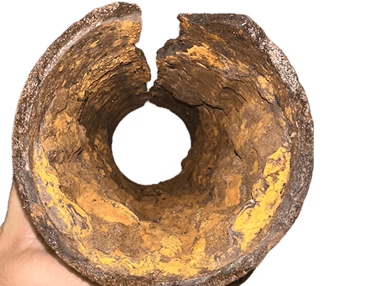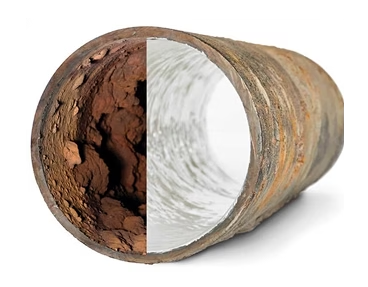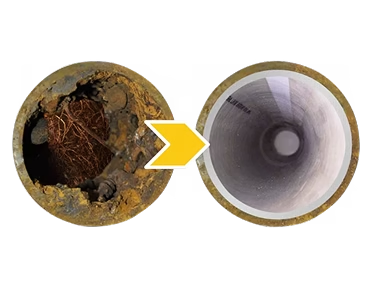
The most common symptom of failing cast iron in St. Pete homes is repeated sewage backups — particularly into toilets and low-level fixtures. As cast iron corrodes from within, its bottom surface develops razor-edged cracks that catch toilet paper and debris, causing blockages that return within days or weeks of being cleared. If you’ve had your drains snaked more than once in the past year for the same problem, the pipe needs lining — not another cleaning.
St. Petersburg’s flat terrain means there’s nowhere for stormwater to go during heavy rainfall except into the ground — and straight down toward your sewer lateral. When pipes have cracks or deteriorated joints, rising groundwater pushes into the pipe, reducing flow capacity and causing backups. If your drains slow noticeably during or after significant rain, your lateral has a structural breach.
A smell at slab level — near baseboards, floor vents, or low wall areas — is a strong indicator of a sub-slab sewage leak. In St. Pete’s warm, humid climate, a leaking drain pipe beneath the slab creates mold-friendly conditions almost immediately. Outdoor sewer odors near your yard or foundation, especially in dry weather when the smell isn’t masked by rain, often signal a lateral crack that’s actively leaching into the surrounding sandy soil.
Unexplained moisture on your floor — particularly near bathrooms or the kitchen — can originate from a drain pipe leak below the slab just as easily as from a water supply line. In St. Pete’s older bungalows and ranch homes, where both cast iron drain lines and original supply plumbing are often still in place, it’s worth having both investigated before assuming the source.
Air displacement caused by a partial main line blockage produces characteristic gurgling — a toilet bubbling when the washer drains, or a shower backing up when the dishwasher runs. In waterfront neighborhoods like Shore Acres and Venetian Isles, where properties sit at or below sea level and the water table is especially high, this symptom can develop rapidly when groundwater infiltration reduces pipe capacity during wet periods.
If your home was built before 1972 and has never had a sewer camera inspection, its cast iron drain lines have been in place for over 50 years in one of Florida’s most corrosive pipe environments. The City of St. Petersburg and Pinellas County launched their rebate programs precisely because so many of these pipes are failing silently. A camera inspection — potentially rebate-assisted — is the logical first step.