


The Short Answer
A properly installed trenchless pipe liner has an engineered life of at least 50 years — and modern epoxy pipe lining is expected to last over 100 years. We back every installation with a 50-year transferable warranty that follows the home to its next owner.
Now let’s break down where those numbers come from.
Two Types of Trenchless Pipe Lining (And Why It Matters for Lifespan)
We’ve been installing trenchless pipe lining since 1997. Most homeowners don’t realize there are actually two distinct methods, and they have different lifespans.
1. CIPP (Cured-In-Place Pipe) Lining — The Original
2. Epoxy Pipe Lining — The Newer, Stronger Option
How Epoxy Pipe Lining Achieves a 100-Year Lifespan
Here’s the most beautiful thing about epoxy pipe lining — and it’s actually something you can see for yourself at any hardware store.
Maybe you’ve bought two-part epoxy glue at Home Depot — the kind where you squeeze parts A and B onto a paper plate, mix them with a stick, and watch them heat up and harden into something so rock-solid you couldn’t break it with a hammer.
That’s the exact same chemistry we use to line your pipes. Just scaled up.
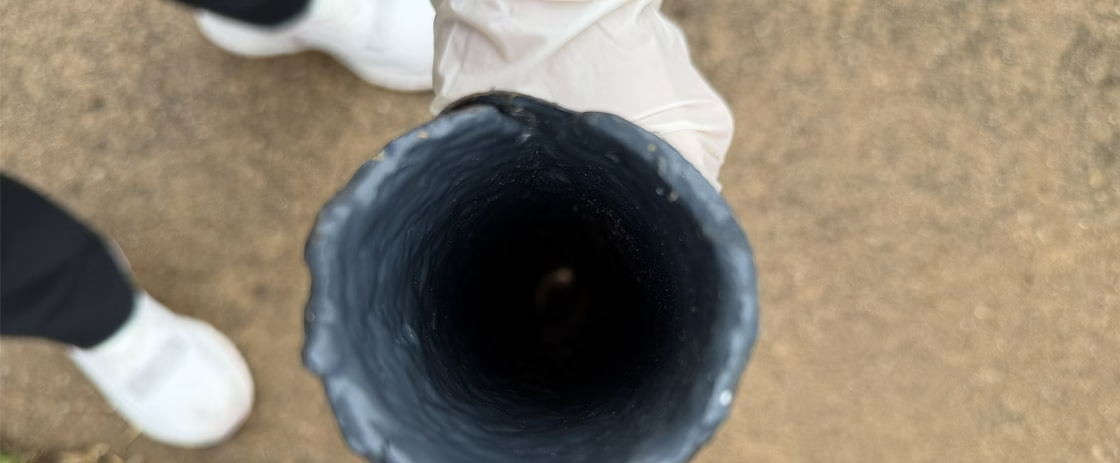
When we install epoxy pipe lining, two tubes of chemicals get mixed together and pumped into your existing pipe. They react, heat up, and cure inside the pipe over 1 to 3 hours, depending on the speed of epoxy we’re using. The result is a seamless, rock-hard new pipe wall inside the old one.
And here’s the part that makes the 100-year lifespan possible: cured epoxy is chemically inert. It can’t degrade from:
- Acids — including the corrosive acids in raw sewage
- Alkalines — the opposite end of the pH scale
- Volatile chemicals — like acetone, paint thinner, or solvents that occasionally get poured down a drain
Cast iron rusts. Clay cracks. Orangeburg disintegrates. Epoxy just sits there, indifferent to whatever flows through it — which is why it’s expected to survive at least a century. For a fuller look at where epoxy excels (and where it doesn’t fit), see our companion guide, Pros and Cons of Epoxy Sewer Lining Services.
Why South Florida Homes Benefit Most From Long-Lasting Pipe Liners
South Florida is one of the toughest environments in the U.S. for underground pipes — which makes a long-lifespan trenchless liner especially valuable here. Three factors stand out:
- Cast iron is everywhere. Most homes built in Miami, Coral Gables, Hialeah, Hollywood, Fort Lauderdale, Boca Raton, and surrounding communities between the 1950s and 1970s have cast iron drain lines. That cast iron has been rusting from the inside out for 50 to 70 years — and most of it is reaching the end of its life right now. For the full picture on that lifespan story, see our companion article, How Long Do Cast Iron Drain Pipes Last in South Florida—And Why Do They Keep Backing Up?.
- Salt air and humidity. Florida’s coastal climate accelerates the corrosion of every metal pipe in the ground. Once cast iron’s protective scale breaks down, rust compounds quickly.
- High water table and hurricane saturation. South Florida’s water table sits unusually close to the surface, and tropical storms can saturate the soil around your sewer line in hours — putting constant stress on aging pipes that were never engineered for it.
A liner expected to last 100 years isn’t over-engineered for this market. It’s the difference between a one-and-done fix and replacing the same pipes again before your kids inherit the home.
The 50-Year Transferable Warranty: What's Actually Included
Our warranty is engineered to match the minimum 50-year lifespan of the liner — and it follows the home, not just the original owner.
When the installation is complete, you get one email containing:
- A video recording of every pipe we lined (so you and any future buyer can see exactly what we did)
- Your 50-year transferable warranty document (which can be assigned to whoever buys the home next)
- Your paid-in-full invoice
You can never lose any of it because it’s just sitting in your inbox. When you sell the house, you forward that one email to the buyer — the warranty transfers cleanly, and the home’s plumbing is documented from the day the work was done.
For South Florida real estate, that’s a meaningful selling point. Pre-1975 homes with original cast iron are some of the hardest properties in the region to insure and finance. Walking into a closing with documented, warrantied trenchless work removes that obstacle entirely.
Trenchless Pipe Lining vs. Traditional Pipe Replacement
| Trenchless Pipe Lining | Traditional Excavation & Replacement |
|---|---|
| Time: About 3 days | Time: About 2 months |
| Cost: $17,000 – $20,000 | Cost: $50,000 – $70,000 |
| Property damage: None — no digging | Property damage: Floors, slab, walls, and landscaping torn up |
| Lifespan: 50–100+ years | Lifespan: 50+ years (new PVC) |
| Warranty: 50-year transferable | Warranty: Varies — often shorter |
The Installation Process, Step by Step
For homeowners who want to know exactly what they’re paying for, here’s the full trenchless pipe lining installation process:
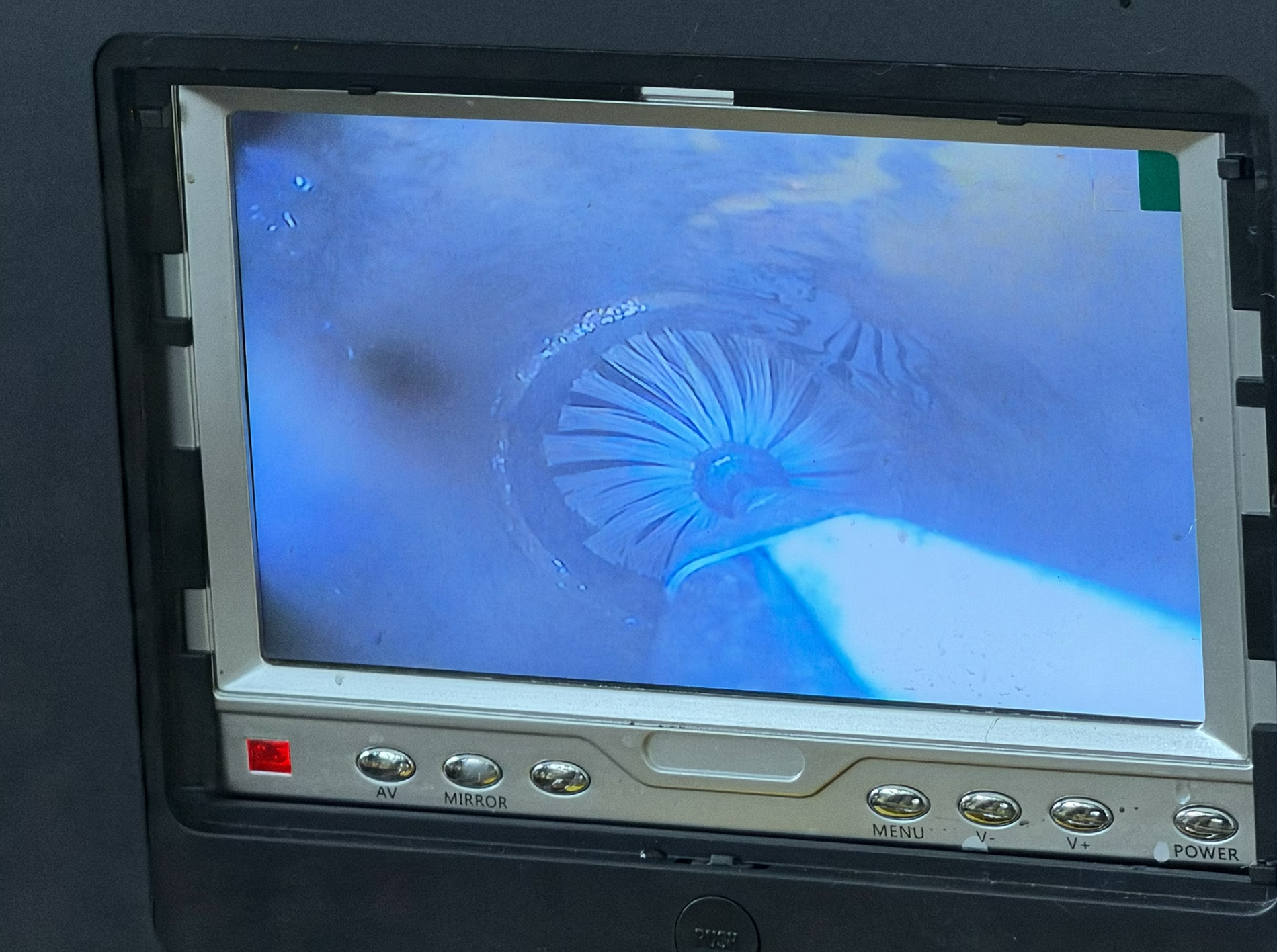
- Inspection. We send a video camera through your sewer line to map the damage and identify any blockages or pipe failures.
- Cleaning. High-pressure water jetting and specialized equipment remove rust, scale, roots, and debris from the inside of the pipe.
- Lining preparation. We re-inspect to confirm the pipe is clean and dry, then prepare the epoxy or CIPP liner.
- Lining installation. The liner is inserted using an inversion system and cured in place with hot water, steam, or UV light — depending on the system used.
- Inspection and testing. A second camera run verifies the liner is properly installed, fully cured, and free of defects.
- Restoration. Access points are closed up and the area is left clean. No landscaping or pavement repairs needed — because nothing was dug up.
From the homeowner’s perspective: you stay in the house, your floors stay intact, and we’re typically done in 3 to 4 days.
Frequently Asked Questions
A properly installed liner has an engineered lifespan of at least 50 years. Epoxy pipe lining specifically is expected to last over 100 years, because cured epoxy is chemically inert and can’t degrade from acids, alkalines, or volatile chemicals.
Yes. Our warranty is fully transferable. When you sell, you forward the original warranty email — which includes the video recording, the warranty document, and the paid invoice — to the buyer. They become the warranty holder.
CIPP (cured-in-place pipe) uses a resin-saturated felt liner that’s inserted and cured inside the existing pipe — it’s the original trenchless technology and lasts 50+ years. Epoxy pipe lining uses a two-part chemical mix that bonds to the pipe wall and is expected to last 100+ years due to its chemical resistance.
The two biggest factors are installation quality and the condition of the host pipe. Improperly cured liners, or liners installed in severely collapsed pipes, can fail prematurely. That’s why our process includes camera inspections both before and after curing.
Almost always, yes. Cast iron is the most common type of pipe we line in South Florida. As long as the pipe still holds its shape — even if it’s heavily rusted, cracked, or pitted — epoxy or CIPP lining can restore it.
Common signs include repeated drain backups, sewage smells, slow drains across multiple fixtures, and gurgling toilets. If you’re seeing any of these, a video camera inspection is the next step.
For South Florida homes built before 1975 with original cast iron, lining is almost always the smarter choice — it’s faster, less expensive, less disruptive, and the documented warranty often adds real resale value. For a full ROI breakdown, see our deeper analysis, Is Pipe Lining Worth It and Effective?.
Ready to Find Out If Your Pipes Are Candidates for Trenchless Lining?
You shouldn’t have to live with repeated backups, sewer smells, or the constant worry that your old cast iron is one storm away from failing. A 50- to 100-year solution starts with a free video camera inspection.
Call (954) 799-4982 or request your free estimate. We’ll show you exactly what’s going on inside your pipes — and if lining is the right fix, you’ll have a fully warrantied, documented installation in 3 to 4 days.