


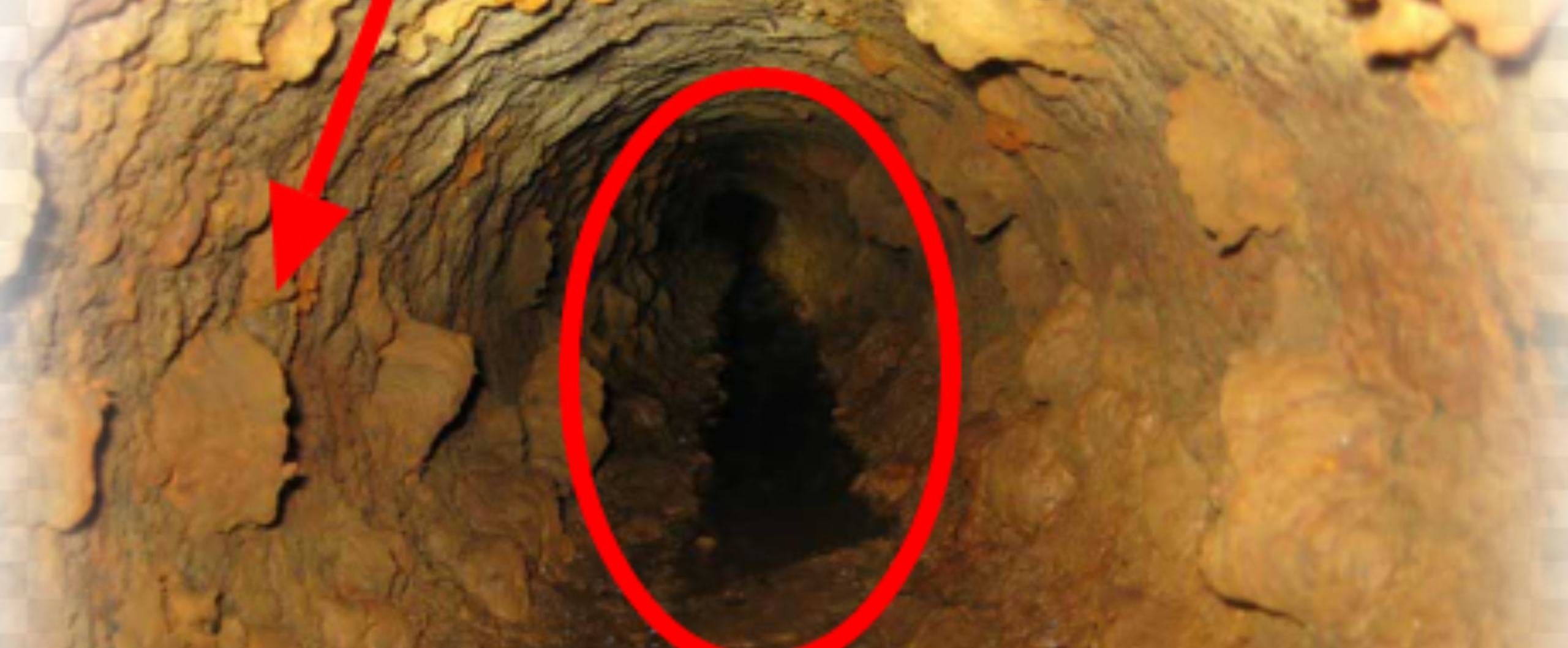
Cast iron pipes have been used in residential plumbing systems for decades because of their durability and strength. Many homes throughout South Florida still rely on these original sewer systems today.
However, as cast iron pipes age, they begin to deteriorate internally. Over time, corrosion can weaken the pipe structure, reduce flow capacity, and eventually lead to recurring sewer backups, leaks, and costly property damage.
Understanding how cast iron pipe corrosion occurs—and why trenchless pipe lining has become a popular alternative to excavation—can help homeowners recognize problems early and make more informed decisions about their sewer system.
Why Cast Iron Pipe Corrosion Happens Underground
Corrosion is a natural process in which metal deteriorates due to chemical reactions with its environment.
Inside cast iron sewer pipes, corrosion develops because the pipe is constantly exposed to:
- Water
- Oxygen
- Wastewater gases
- Corrosive chemical compounds
Over time, these elements react with the iron inside the pipe, causing rust and deterioration.
In South Florida, environmental conditions like humidity, groundwater exposure, and aging infrastructure can accelerate this process even further.
Why Corrosion Happens Faster at the Bottom of the Pipe
Cast iron pipes rarely deteriorate evenly.
The bottom of the pipe typically corrodes faster because water remains in constant contact with the floor of the pipe more than the walls or ceiling. This creates a higher concentration of dissolved oxygen and corrosive compounds such as hydrogen sulfide and carbon dioxide.
As these compounds react with the iron, they form iron oxide and iron sulfide—commonly recognized as rust and corrosion.
Because moisture and corrosive materials settle at the bottom of the pipe, this area experiences the most rapid deterioration over time.
How Corrosion Reduces Pipe Thickness
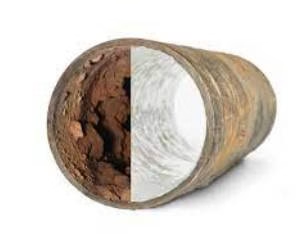
As corrosion progresses, cast iron pipes gradually lose their original thickness.
The corrosive reactions slowly eat away at the interior surface of the pipe, weakening the metal and thinning the pipe walls over time. The rate of deterioration can vary depending on factors such as water chemistry, pH levels, moisture exposure, and temperature.
As the pipe becomes thinner:
- Structural integrity decreases
- Cracks and fractures become more likely
- Flow capacity may become restricted
- The risk of leaks and backups increases
This gradual loss of thickness is one of the main reasons aging cast iron pipes become increasingly vulnerable to long-term sewer problems.
How Corrosion Causes Cracks and Sewer Backups
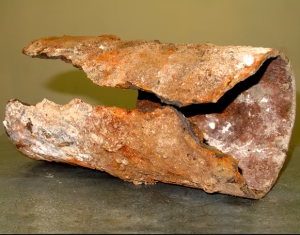
One of the most serious consequences of cast iron pipe corrosion is the formation of cracks—especially along the floor of the pipe.
As corrosion continues, weakened areas begin developing small fractures or fissures. Over time, these cracks expand due to:
- Ongoing corrosion
- Water pressure
- Soil movement and external stress
As the floor of the pipe deteriorates, jagged and serrated edges begin forming inside the sewer line.
These rough edges catch debris such as:
- Toilet paper
- Grease buildup
- Organic waste
- Hair and soap residue
Once debris begins collecting, additional material becomes trapped behind it, gradually restricting flow and leading to repeated sewer backups.
This is one of the primary reasons many homeowners continue experiencing sewer problems even after cleaning or snaking the line.
In many cases, the issue is no longer just a clog—the condition of the pipe itself has deteriorated.
The Structural Risks of Corroded Cast Iron Pipes
As cast iron pipes continue thinning and cracking, additional structural problems can develop.
Cracks in the floor of the pipe can allow wastewater to escape into the surrounding soil beneath the home. This may result in:
- Moisture intrusion
- Foul sewer odors
- Soil erosion
- Foundation concerns
- Property damage
For homes built on slab foundations—a common construction style throughout South Florida—these issues can become especially serious if left untreated.
Why Traditional Pipe Replacement Is So Disruptive
For many years, the only way to repair deteriorating cast iron pipes was through excavation and full replacement.
Traditional replacement often requires:
- Breaking through floors or slab foundations
- Removing kitchen or bathroom cabinetry
- Digging several feet below the home
- Replacing flooring after the repair is complete
This process can be extremely disruptive and time-consuming.
Depending on the size of the home and the complexity of the sewer system, excavation projects can take weeks or even months to complete. In addition to the pipe replacement itself, homeowners often face substantial reconstruction costs afterward.
The Drawbacks of Excavation-Based Pipe Replacement
Traditional excavation methods have been used for decades, but they come with several major disadvantages.
Extensive Property Damage
Excavation frequently causes significant damage to floors, walls, cabinetry, and interior finishes. Kitchen and bathroom areas are especially vulnerable because these spaces often sit directly above sewer lines.
After the repair is completed, homeowners may still face costly remodeling and restoration work.
Long Project Timelines
Excavation-based sewer replacement is also highly labor-intensive.
Depending on the extent of the damage, the process may stretch into several weeks or even months. During this time, homeowners may experience major disruptions to their daily routines and, in some cases, may need to temporarily relocate.
Higher Overall Costs
A large portion of excavation costs comes not from the pipe itself, but from demolition and reconstruction afterward.
Removing flooring, rebuilding interior spaces, and restoring landscaping or hardscaping can significantly increase the total cost of the project.
A Modern Alternative: Trenchless Epoxy Pipe Lining
Today, many South Florida homeowners are choosing trenchless epoxy pipe lining as a less invasive alternative to excavation.
Instead of removing the damaged pipe, trenchless pipe lining restores the existing sewer system from the inside.
The process begins with a detailed inspection and cleaning of the sewer line. A specialized epoxy liner is then installed inside the existing pipe, creating a smooth, seamless, corrosion-resistant interior.
This method allows technicians to restore deteriorating pipes without tearing through floors, walls, or landscaping.
Why Trenchless Pipe Lining Is Often the Better Solution
Compared to traditional excavation, trenchless pipe lining offers several important advantages.
Minimal Disruption and Floor Damage
One of the biggest benefits of trenchless repair is the ability to preserve existing floors, walls, cabinetry, and structures. Because the repair is completed internally through small access points, homeowners can avoid extensive demolition and remodeling.
Faster Project Completion
Traditional excavation projects can take weeks or months depending on the extent of the damage. Trenchless pipe lining is often completed within just a few days. If you’d like a better understanding of the installation process itself, you can learn more about how trenchless pipe lining works.
Long-Term Durability
Modern epoxy lining systems are designed to create a durable, corrosion-resistant pipe within the original structure. When properly installed, these systems can last for decades.
Methods like Cured-In-Place Pipe (CIPP) lining create a strong, seamless interior that helps restore flow while reinforcing the existing pipe.
Lower Overall Restoration Costs
Because trenchless repair avoids much of the demolition associated with excavation, homeowners can often reduce the additional costs tied to reconstruction and remodeling afterward.
If you’re comparing your options, you can also explore the costs and benefits of trenchless pipe repair
Signs Your Cast Iron Pipes May Be Corroding
Common warning signs include:
- Recurring sewer backups
- Slow drains throughout the home
- Foul odors coming from drains
- Gurgling sounds in plumbing fixtures
- Moisture or water damage near floors or walls
If your home has older cast iron plumbing and you’re experiencing these issues, it may be time to evaluate the condition of your sewer system.
You can also learn more about common cast iron sewer pipe problems and how trenchless solutions may help restore aging systems.
Frequently Asked Questions About Cast Iron Pipe Corrosion
Why do cast iron pipes corrode from the bottom first?
Water and waste remain in constant contact with the bottom of the pipe, creating an environment where corrosion develops faster over time.
Can corroded cast iron pipes be repaired without excavation?
In many cases, yes. Trenchless pipe lining methods can restore deteriorated cast iron pipes internally without removing floors or digging up the property.
Why do sewer backups keep returning after cleaning the line?
If the pipe itself is corroded, rough edges and cracks may continue catching debris even after the line is cleaned. This often leads to recurring backups until the underlying pipe condition is addressed.
A Smarter Way to Restore Aging Sewer Pipes in South Florida
Recurring backups and drainage issues are often symptoms of something deeper happening inside aging cast iron pipes.
At Trenchless Pipe Lining, we help South Florida homeowners identify the root cause of sewer problems using advanced camera inspections and proven trenchless repair methods. Our goal is to restore your sewer system efficiently while minimizing disruption to your home.
If you’re experiencing recurring backups, slow drains, or signs of cast iron pipe deterioration, schedule a free estimate to learn whether trenchless pipe lining is the right solution for your home.