
How does trenchless pipe lining work? You are not the only one with old or broken pipes. Sewer and drainage systems are failing throughout the country, leaking, clogging, corroding, and in need of expensive repair. Older materials like cast iron, clay, and Orangeburg are particularly susceptible to failure after decades in the ground.
This is where trenchless pipe lining comes in, a more contemporary repair option in which pipes are repaired internally via the use of flexible sewer liners — all without tearing up streets, yards, or floors. As trenchless pipe lining reduces surface disruption and provides a long-term solution, it has become the preferred method for homeowners, businesses, and cities.
Key Takeaways
- Trenchless pipe lining repairs pipes from the inside without digging
- A flexible liner creates a seamless new pipe within the existing one
- CCTV inspections ensure accuracy before and after installation
- Most projects are completed in one day
- Pipe lifespan is extended by 50 years or more
- The method reduces costs, property damage, and environmental impact
Contact Us Today!

What Is Trenchless Pipe Lining?
How does trenchless pipe lining work? Trenchless pipe lining, or trenchless piping relining, is a way to fix your existing pipes without digging them up. The line is inserted into the existing pipe in place of excavating and replacing the old corroded or damaged pipeline. When cured, the new liner is hardened into place to create a seamless pipe within the existing one.
Traditional open-trench repair methods involve digging down to the damaged pipe sections, which can destroy landscaping, concrete, and interior flooring. Because those issues are specifically avoided during the trenchless lining process, it’s well-suited for tasks large and small, from residential to commercial to municipal applications.
This method is a standard practice as it results in faster, much cleaner, and less invasive, with better long-term structural strength and rust protection.
How Does Trenchless Pipe Lining Work?
Although the technology behind trenchless pipe lining is advanced, the overall process is straightforward and efficient. Most projects are completed in a single day.
Pipe Inspection (CCTV)
The first step is CCTV camera surveying. A small, high-definition video camera is sent through the pipe to determine the issue. This inspection will find cracks, corrosion, root intrusion, blockage, and joint separation.
That inspection also helps confirm whether trenchless pipe lining is the right solution, and guides the choice of lining technique for that particular condition of pipes.
Pipe Cleaning and Preparation
Before installing the liner, the pipe must be thoroughly cleaned. High-pressure hydro jetting and mechanical descaling tools are used to remove grease, debris, mineral buildup, and roots. Proper cleaning ensures the liner bonds securely to the pipe walls and cures evenly.
Liner Installation
After the pipe is ready, a lining is placed in it through any of various no-dig methods. The most common techniques include:
- Cured-In-Place Pipe (CIPP), where a liner saturated with resin is inserted and expanded into the pipe
- Pull-In-Place lining, for when the liner is pulled into place and inflated
- Spin-Cast Epoxy lining, which is coated on the inside of your pipes to provide protection
- Inflatable packers or bladders may be used to achieve accurate placement and uniform thickness.
Curing the Liner
Liner is then cured using wet or dry steam, hot water, or UV light. This curing process also makes the resin hard, and leaves behind a seamless pipe inside of your old one. After curing, the liner is structurally solid, and its integrity is guaranteed for many decades.
Final Inspection and Testing
The liner is then finally inspected by CCTV to ensure it cures correctly, achieving a full seal against the pipe. Flow testing can also be done to maximize performance. When approved, the system is placed back into service—frequently the same day.
Sewer Pipe Lining Methods
There are several different trenchless methods that work for various conditions, pipe sizes, and accessibility.
- The most popular method of relining pipelines is with Cured-In-Place Pipe (CIPP) – best used in long pipes or where access to the line is insufficient.
- Pull-In-Place lining is ideal for short runs or where you have specific access.
- An alternative trenchless technique is pipe bursting, used when the damaged pipe needs replacement.
Benefits of Trenchless Pipe Lining
How does trenchless pipe lining work? Trenchless pipe lining offers several advantages over traditional excavation methods.
- It minimizes surface disruption and protects landscaping, pavement, and interior flooring.
- It reduces labor time and overall project costs
- It provides a long-lasting solution with a lifespan of 50 years or more
- It is environmentally friendly with less soil disturbance and waste
- It works with cast iron, clay, concrete, PVC, and Orangeburg pipes
These benefits make trenchless pipe lining a cost-effective and reliable solution for aging infrastructure.
Common Uses for Trenchless Pipe Lining
You’ll see this common in-home sewer repair applications, where excavation would destroy houses or yards. It also introduces the perfect solution for commercial and industrial applications where downtime can be a concern.
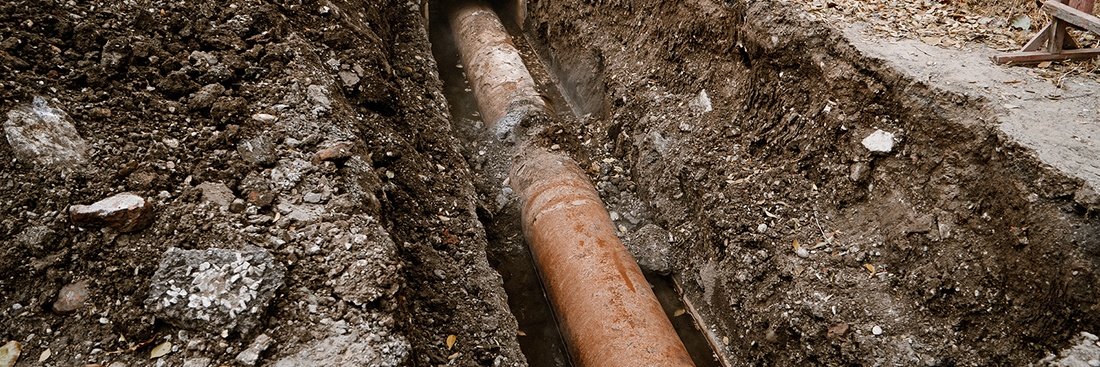
Trenchless lining is often used in municipal sewer rehab projects under streets and public infrastructure. In cases in urban and historic districts, trenchless methods are ideal where it is not feasible to dig into the ground.
Contact Us Today!

Conclusion
How does trenchless pipe lining work? Trenchless pipe lining is a proven, cost-effective solution for repairing underground pipes without the disruption of excavation. It delivers long-term reliability while preserving your property and reducing repair time.
If you are dealing with aging or damaged sewer pipes, contact Trenchless Pipe Lining today at (305) 946-9626 to schedule an inspection or request a quote.
Frequently Asked Questions
How long does trenchless pipe lining last?
When installed correctly, trenchless piping can last for 50 years or more. The maintenance-free liner is rust-proof, rot and root resistant for long-lasting durability.
Is trenchless pipe lining better than traditional pipe replacement?
In most cases, yes. No-dig pipe lining eliminates the need for digging, saves time of work, and reduces property damage, yet provides lasting results.
What types of pipes can be lined?
Trenchless pipe lining is effective for cast iron, clay, concrete, PVC, and Orangeburg pipes. A CCTV inspection determines eligibility.
How long does the trenchless pipe lining process take?
The vast majority of projects will take a day. It can take a little longer on larger or more complex systems.
Will trenchless pipe lining reduce pipe diameter?
The liner reduces the internal diameter by an 1/8th – 1/4 of an inch, but this is often made up for by the smooth bore of the lining, helping to restore flow compared to a pipeline that could be corroded or damaged.
Is trenchless pipe lining safe for homes and businesses?
Yes. CIPP is non-invasive; it keeps occupants in the home and can be employed without harming the environment.