
Most homeowners want to fix plumbing without destroying floors or excavating yards. This trenchless method protects property while preserving wealth. So, a primary concern for them is knowing how much does epoxy pipe lining cost.
Within the Sunshine State, pricing hinges upon individual requirements alongside property dimensions. Trenchless Pipe Lining’s breakdown can assist you with budgeting should you choose this innovative solution.
Key Takeaways
- Length, location, accessibility, and complexity of the projects are some of the things that affect the overall cost
- Epoxy lining service costs between $120 and $250 per linear foot
- Trenchless lining avoids costly repairs to floors and landscaping
- Coastal conditions make epoxy lining especially beneficial for Florida homes
- Multiple quotes help homeowners budget accurately and avoid overpaying
Contact Us Today!

Estimated Cost Breakdown in Florida
Most pipe installer companies charge between $120 and $250 per linear foot. Minor fixes start near $3,000, whereas complete systems reach $10,000. Think of such figures as approximations since every floor plan differs. Use the data underneath for a broad projection.
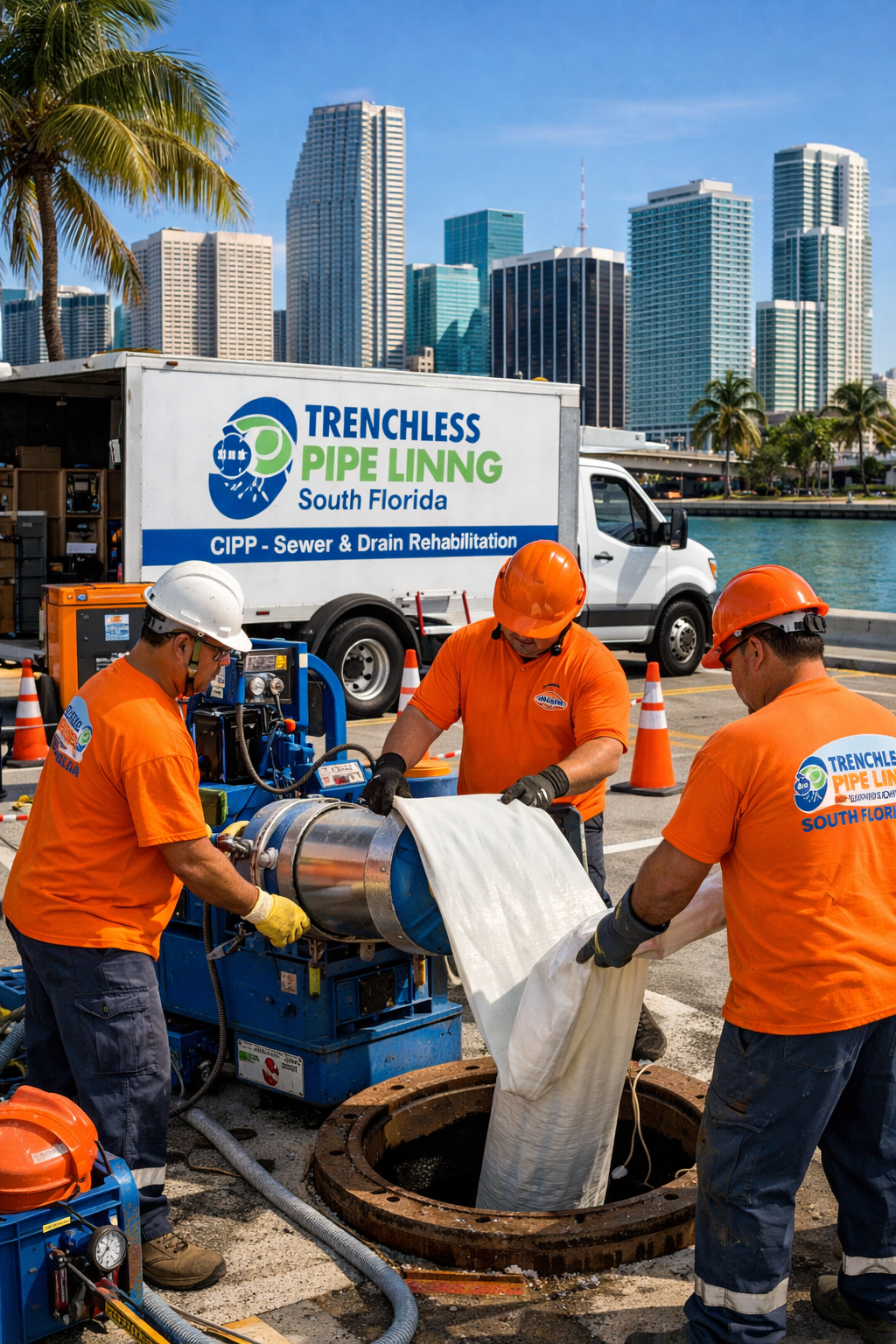
Do take note that these are ballpark prices since every property has a different layout.
To get a more accurate amount of the cost of epoxy pipe lining, we highly recommend getting a quote from several companies. Our company gives you a no-obligation and free estimate so you can prepare the necessary budget for the project. Moreover, it also helps you get a clear picture of the deliverables and what to expect from our service.
Comparing Epoxy Lining to Traditional Repiping
Choosing between restoration and replacement feels tricky. Swapping old lines seems cheaper initially. Unfortunately, those quotes exclude rebuilding expenses like patching drywall, replacing tile, or fixing landscaping.
Owners need external help for painting or flooring once laborers depart. Trenchless methods skip that overhead. Consequently, how much does epoxy pipe lining cost frequently stays below standard pipe-swapping after accounting for reconstruction. Timelines shrink significantly, letting families remain inside during installation.
Why Florida Homes Are Unique?
Coastal properties encounter distinct hurdles. Structures commonly rest atop solid foundations. Standard excavation necessitates using heavy machinery like jackhammers to penetrate cement bases. Such invasive work generates intense filth and airborne debris.
Local ground remains notoriously gritty. This silt moves frequently, making conduits sink or fracture. Vintage residences mostly contain metallic tubing. Atmospheric salinity accelerates rusting within ironwork. Inserting resins forms a sleek barrier internally. Such protection prevents mineral erosion from ruining pipes again.
Factors Affecting Epoxy Lining Cost
The amount you will spend on this project depends on several things, such as:
Schedule: Off-peak bookings sometimes reduce quotes. Urgent repairs typically command higher fees.
Length & Diameter: Greater distances or wider pipe sizes expand material usage, increasing total investment.
Condition: Corroded lines demand thorough descaling beforehand, which inflates labor costs.
Reachability: Deeply buried systems beneath foundations involve greater difficulty. Easy yard access keeps prices lower.
Geography: Miami rates surpass rural averages.
Permits: Regulatory inspections add small fees.
Contact Us Today!

How to Choose the Right Contractor?
Specialized knowledge isn’t universal among tradesmen. Search for technicians possessing specific credentials. Material producers vet qualified firms. Validating these skills ensures correct chemical blending and hardening.
Request testimonials from nearby clients. Trustworthy outfits gladly provide triumph tales. Inquire regarding guarantees. Quality products endure half-centuries. Installers must back work for decades. Shun businesses providing brief coverage or dodging direct inquiries.
Does Homeowners Insurance Cover It?
Coverage language is a bit complex when it comes to pipe-related repairs. Typical plans pay for demolition or entry required to reach leaks. The good news is that flood damage usually gets reimbursed. Conversely, insurers rarely buy replacement hardware. Adjusters view mechanical decay as routine upkeep.
Proving losses becomes difficult without visible craters. Non-invasive repair eliminates wreckage and is your best option in most cases. Regardless, certain providers favor internal sealing over expensive kitchen reconstruction. Contact agents immediately. Determine if fine print includes “trenchless” techniques.
Is Epoxy Pipe Lining Worth It?
Seeking permanent fixes without headaches? Definitely. Resins remain functional for 50 years, negating subsequent repairs. Technology prevents seepage or blockages. Pipe repair specialists recommend that low interference justifies investment.
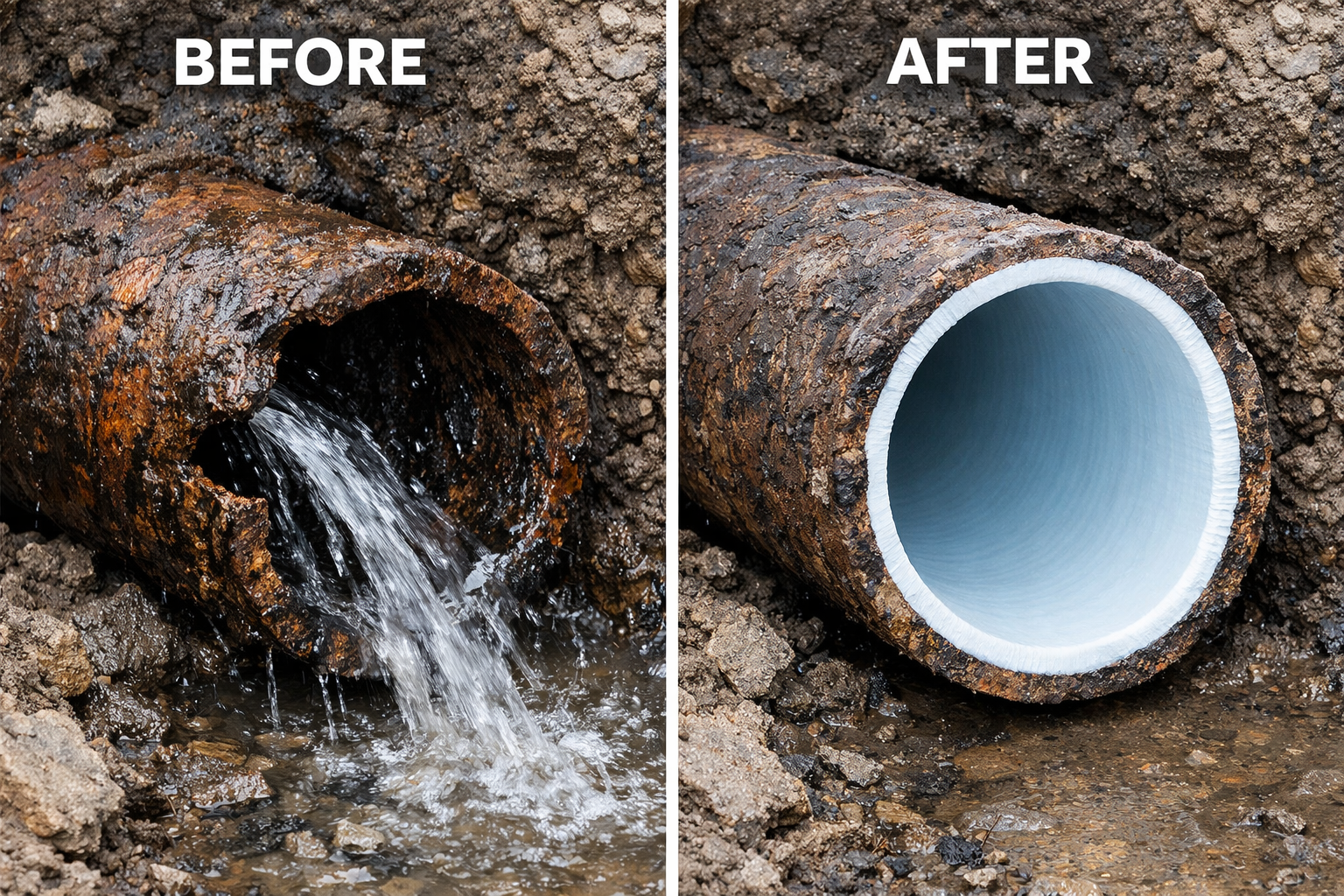
Shoreline neighborhoods benefit from rust-proof barriers. Because tasks conclude quickly, residents reclaim schedules. People realize that skipping dirty digging while extending utility lifespan validates every penny.
Hire A Professional Epoxy Pipe Lining Installer Today!
Understanding how much epoxy pipe lining costs allows for better planning. Trenchless Pipe Lining is here to help you fix your old pipes without spending a small fortune. Our team at provides a hygienic, fast, and long-lasting solution that protects your property from invasive repairs. Avoiding destructive pneumatic drilling helps preserve your home’s structure, and while upfront pricing may seem higher, skipping major renovation costs makes this a smart long-term investment.
Call Trenchless Pipe Lining today at (305) 946-9626 to schedule a consultation and get a reliable, no-dig solution for your pipe problems.
Frequently Asked Questions
How long does epoxy pipe lining last?
Manufacturers design the epoxy resin to last for at least 50 years. Many industry experts believe it can last even longer with proper use.
Is epoxy pipe lining safe for drinking water?
Yes. Plumbers use special epoxy resins certified by the NSF. These materials are tested rigorously to ensure they are safe for potable water systems.
Can you line a pipe that has collapsed?
No. The pipe must stay round enough for the liner to inflate. If a pipe has completely collapsed, plumbers must dig it up and replace it.
Does the liner reduce the water flow?
The liner reduces the diameter slightly but improves the flow. The smooth epoxy surface creates less friction than rough cast iron, so water moves faster.
How long does the installation take?
Most residential jobs take between one and three days. Small repairs finish in a few hours. Large estates may take up to a week.