


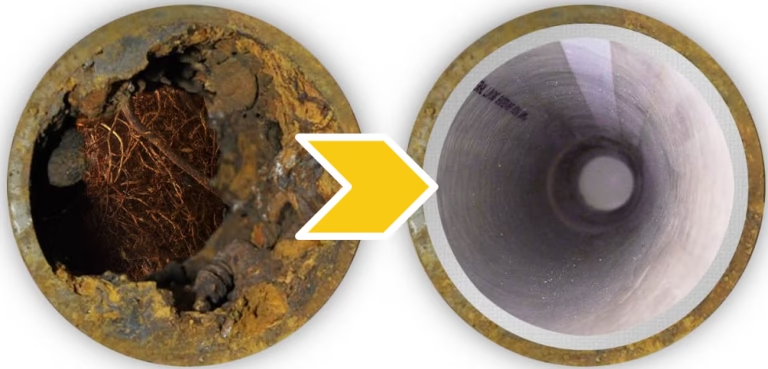
Cast iron pipes have been used in residential sewer and drainage systems for decades, and many homes across South Florida still rely on them today. But as these systems age, homeowners often begin to notice recurring issues—especially slow drains, foul odors, and repeated backups.
So how long do cast iron underground drain pipes actually last—and why do they start failing?
How Long Do Cast Iron Drain Pipes Last?
In general, cast iron drain pipes can last anywhere from 50 to 100 years, depending on factors such as installation quality, soil conditions, moisture exposure, and ongoing maintenance.
In South Florida, however, environmental conditions can shorten that lifespan. High humidity, coastal air, and corrosive groundwater can accelerate deterioration—especially in older homes.
Even if your pipes haven’t fully failed, internal corrosion can begin much earlier. If your home has aging plumbing, it may be worth learning more about cast iron sewer pipe issues and solutions before problems escalate.
Why Cast Iron Pipes Start Backing Up
Recurring sewer backups are one of the most common warning signs of failing cast iron pipes. While clogs may seem like the issue, the underlying cause is often deterioration inside the pipe itself.
Corrosion and Pipe Deterioration
Corrosion is the leading cause of failure in cast iron sewer systems.
Over time, the interior of the pipe begins to rust and weaken—especially along the bottom, where moisture is most consistently present. As corrosion progresses, the pipe walls thin and small cracks begin to form. These cracks widen over time, and the rough edges inside the pipe start catching debris.
This is what leads to repeated backups: debris catches, builds, and eventually restricts flow again and again.
Buildup Inside the Pipe
As corrosion worsens, the interior surface of the pipe becomes rough, making it easier for debris to stick.
Materials like grease, soap residue, hair, and food particles gradually accumulate along the pipe walls. Over time, this buildup narrows the passage of the pipe and increases the likelihood of clogs and slow drainage.
Tree Root Intrusion
Small cracks and weak joints create entry points for tree roots. Once inside, roots expand and trap debris, accelerating blockages and further damaging the pipe structure.
Soil Movement and Pipe Shifting
Shifting or settling soil—common in South Florida—can cause pipes to move out of alignment or crack under pressure. These structural changes can restrict flow and contribute to leaks or recurring backups.
Why Traditional Sewer Pipe Replacement Is So Disruptive
For many years, the only way to fix deteriorating cast iron pipes was through excavation.
This process involves breaking through floors, digging down to access the pipe system, removing the damaged pipe, and then rebuilding everything afterward. For a typical 2,000-square-foot home, this can take 6–8 weeks or longer and cost $60,000–$70,000 or more.
Beyond the cost, the disruption is significant—many homeowners must temporarily move out while repairs are completed.
A More Efficient Solution: Trenchless Pipe Lining
Today, trenchless technology offers a faster, less invasive alternative.
Instead of removing the damaged pipe, methods like Cured-In-Place Pipe (CIPP) lining and epoxy pipe lining restore the pipe from the inside, creating a smooth, durable new pipe within the existing structure.
This approach can typically be completed in just a few days and avoids tearing into floors, walls, or landscaping.
If you’re comparing options, understanding the costs and benefits of trenchless pipe repair can help you make a more informed decision.
How the Trenchless Process Works
The process starts with a detailed inspection using advanced camera equipment to evaluate the condition of the pipe.
From there, the pipe is cleaned and prepared before a liner is installed and cured in place. This creates a seamless, corrosion-resistant interior that restores flow and strengthens the system.
You can learn more about the full trenchless pipe lining installation process and what to expect during the repair.
Signs Your Cast Iron Pipes May Be Failing
If you’re noticing ongoing issues, your pipes may be deteriorating internally. Watch for:
- Recurring backups or slow drains
- Foul odors coming from drains
- Gurgling sounds in plumbing fixtures
- Moisture or damage near floors or walls
- Frequent need for drain cleaning
These symptoms often indicate that the issue goes beyond a simple clog.
What This Means for Your Home
Cast iron pipes can last for decades, but in South Florida, environmental conditions often accelerate their deterioration. If your home was built several decades ago and you’re experiencing recurring sewer issues, it may be time to evaluate the condition of your system.
Understanding what causes these problems—and knowing your repair options—can help you take action before minor issues turn into major disruptions.
Frequently Asked Questions About Cast Iron Sewer Pipes
How do I know if my cast iron pipes are failing?
Common signs include recurring backups, slow drains, foul odors, gurgling sounds, and visible moisture or damage near floors or walls. These issues are often caused by internal corrosion, which can’t always be seen without a professional inspection.
Can cast iron sewer pipes be repaired instead of replaced?
Yes. In many cases, cast iron pipes can be restored using trenchless methods like pipe lining, which repairs the pipe from the inside without excavation. This approach is often faster, less disruptive, and more cost-effective than full replacement.
Why do my drains keep backing up even after cleaning?
If backups return after snaking or cleaning, the issue is often not just a clog—it’s the condition of the pipe itself. Corrosion, cracks, or root intrusion can continue to catch debris, leading to repeated blockages until the underlying problem is repaired.
Don’t Wait for a Small Sewer Issue to Turn Into a Major Repair
If you’re dealing with recurring backups, slow drains, or signs of aging cast iron pipes, the issue may be deeper than a simple clog.
At Trenchless Pipe Lining, we specialize in diagnosing and restoring underground sewer systems without the need for excavation. Using advanced camera inspections and proven trenchless repair methods, we help South Florida homeowners identify the root cause of their sewer problems and fix them efficiently.
Schedule a free estimate to get a professional assessment of your sewer system and find out whether trenchless pipe lining is the right solution for your home.