
When it comes to sewer repair, many homeowners are caught off guard by how complex insurance coverage can be. Your homeowner’s policy is designed to act as a financial safety net, protecting your home—the most valuable asset you own—from unexpected damage.
While insurance can potentially help with repair costs in cases of an insured peril — like a burst pipe, tree root intrusion, or strange sewer line failure — it won’t mitigate the expense entirely. But whether insurance pays for trenchless pipe lining sewer repair has to do with quite a few factors, including what caused the damage, the language of your specific policy, and how your claim is filed.
This guide breaks down how insurance coverage works, when trenchless pipe lining may be covered, and what steps you can take to improve your chances of approval.
Key Takeaways
- Insurance coverage for sewer repair depends on the cause of the damage, not the repair method.
- Sudden and accidental pipe damage is more likely to be covered than wear and tear.
- Older or poorly maintained pipes are less likely to qualify for coverage.
- Trenchless pipe lining may be approved if the underlying damage is covered.
- Thorough documentation and early communication improve claim success rates.
Contact Us Today!

Variability of Coverage
This is where the fine print matters. While many homeowners’ insurance policies provide some level of plumbing coverage, it is not universal.
Coverage will depend on your carrier and may also differ from other policies from the same agency. Some policies pay for some types of sewer repairs, while others won’t cover underground pipes at all. It’s important to review your policy before things go wrong so you can understand what is — and isn’t — covered.
Not all homeowners are aware of them until they file a claim and learn that their policy won’t cover the full amount.
Quality and Age of Pipes
The age and condition of your sewer pipes play a major role in insurance decisions.
Newer plumbing systems, or those that are well-maintained, may also be more likely to meet the qualifications for coverage if damage occurs suddenly and there is ample evidence showing this. If the pipes are old- especially if they’re made from clay, cast iron, or Orangeburg - this can be viewed as a maintenance situation, not an insurable event.
Though damage may seem sudden, insurers can refuse coverage if they determine the root cause was gradual decay rather than a sudden failure.
Sudden vs. Negligent Damage
Insurance providers draw a clear line between accidental damage and preventable damage.
- Sudden events like pipe collapses or root intrusion may qualify for coverage.
- Damage caused by ignored warning signs, recurring backups, or delayed repairs may be labeled as negligence.
If the insurer determines that routine maintenance could have prevented the issue, the claim is more likely to be denied.
Understanding this distinction is critical when filing a sewer repair claim.
Navigating the Insurance Maze
Homeowner’s insurance isn’t just a pile of paperwork — it can be a lifeline in times of crisis. Understanding your policy can be a game-changer in deciding when to file a claim.
Carefully review exclusions, coverage limitations, and endorsements. Other policies offer optional riders for underground service lines, which can greatly extend coverage for sewer line repair.
If you are unsure what’s covered under your plan, reaching out to your insurer with a question before trouble hits can save you an expensive surprise later.
Documenting Damage
Proper documentation can significantly impact whether your sewer repair claim is approved.
As soon as damage is discovered:
- Take clear photos and videos of visible damage or backups
- Record when the issue started and how it progressed
- Save inspection reports, camera footage, and repair estimates
Keep copies of all communications with your insurance company. The more detailed and organized your documentation, the stronger your claim will be.
Hiring a Public Adjuster
Especially where sewer repair is concerned, insurance claims can get complicated. A public adjuster can make it easier to navigate the process.
Public adjusters do understand policy language as well as have an understanding of how insurance companies assess claims related to plumbing. They represent your best interests to the insurance company and help make sure that all approved repairs, such as trenchless pipe lining when appropriate, are covered as they should be.
Public adjusters aren’t always required, but can be helpful for expensive or contentious claims.
How Trenchless Pipelining Fits In
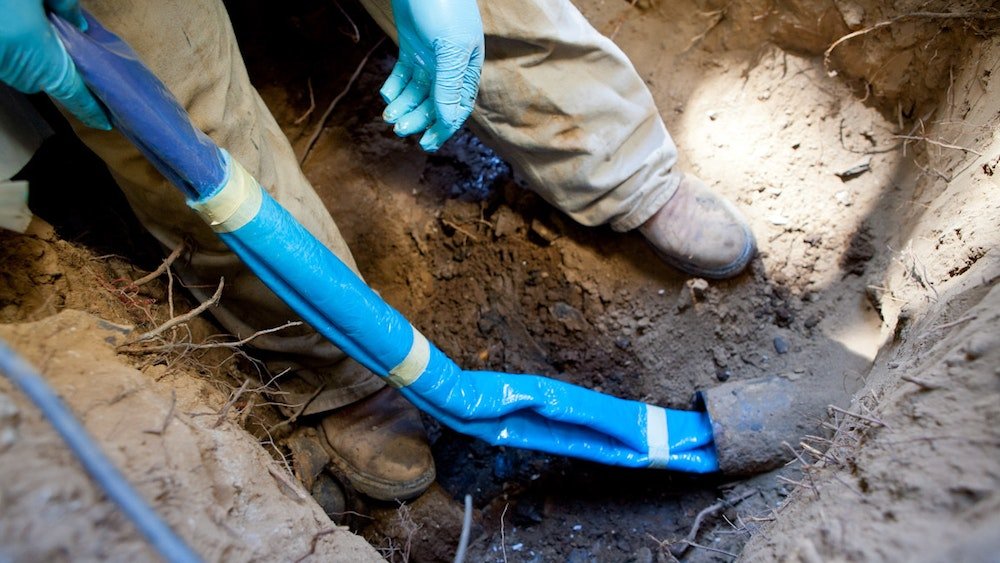
Trenchless pipe lining is a contemporary sewer repair process that corrects old or damaged pipes by working from the inside out.
Since it’s less intrusive and in many cases more economical than the conventional dig-and-replace approach, insurance carriers may authorize trenchless pipelining as a method of repair — provided the cause of damage is covered on your policy.
Insurance companies care about the cause of damage, not on the remediation method. If allowed, trenchless pipe lining can be appealing to defendants because the labor is shorter-term and less intrusive on property.
Knowledge of your insurance coverage and trenchless repair choices can help you feel more in control during an emergency.
Contact Us Today!
Conclusion
Insurance coverage for trenchless pipe lining sewer repair depends on several factors, including policy language, pipe condition, and the cause of damage. While insurance may not cover every situation, understanding your policy and documenting issues properly can significantly improve your chances of approval.
If you’re suffering from sewer repair problems and you are looking for a more current, less invasive repair solution, the Trenchless Pipe Lining experts offer professional inspections as well as trenchless repair options that will reduce the amount of disturbance in no time, getting your sewer system back up and running with maximum efficiency.
Don’t let that happen to you! If you need expert advice and reliable sewer repair results, contact us at (305) 946-9322 now for support with both repair choices and resolutions.
Frequently Asked Questions (FAQs)
Does homeowners’ insurance cover sewer line repairs?
It could, depending on what caused the damage to your home and your policy. Coverage may be more responsive to sudden and accidental injury than to gradual decay.
Is trenchless pipe lining covered by insurance?
Trenchless pipe lining is often approved by insurance companies, during damage to the sewer itself, because it solves problems quickly.
What if my claim is denied?
You can request a detailed explanation, provide additional documentation, or consult a public adjuster to review your claim.
Are old sewer pipes covered by insurance?
Older pipes are often excluded if damage is attributed to normal aging or lack of maintenance.
Should I check my policy before sewer problems occur?
Yes. Reviewing your policy and considering optional service line coverage can help you avoid surprises later.